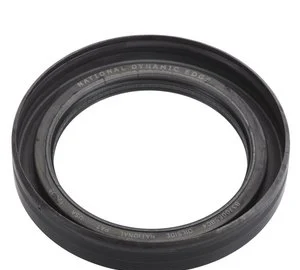
Dynamic Edge Wheel Seal 370001BC4
370001BC4
$48.90
National Dynamic Edge hub seal for Class 8 wheel-end service during brake and bearing jobs.
Pay now with PayPal for NAT-370001BC4
PayPal total for 370001BC4 equals $48.90 × quantity (NAT-370001BC4).
Shipping: Quoted before booking. Your PayPal payment covers the listed part price. If sales tax applies to your ship-to address, or your order needs freight, we email an itemized invoice with the exact amount for your approval, and any difference is settled through PayPal before the order ships.
Fitment table · 370001BC4
| Make | Model | Years | Engine |
|---|---|---|---|
| Freightliner | Cascadia | 2010-2024 | All |
| Peterbilt | 579 | 2013-2024 | All |
| Kenworth | T680 | 2013-2024 | All |
| Volvo | VNL | 2011-2023 | All |
Dynamic edge wheel seals for hub packages
Hub oil that reaches brake drums starts as a seal problem, not a lining problem. The National Dynamic Edge wheel seal on this page is a precision elastomer and case assembly meant to ride on polished spindles in heavy axle applications. Leak paths show up as mist on wheels, low hub oil, and friction material contaminated beyond salvage.
Seals demand clean metal and square install tools. A new seal hammered over a gouged spindle or into a bent bore will weep within miles. Plan bearing inspection whenever a seal failed catastrophically.
Listing scope is the wheel seal itself. Bearings, hub caps, and ABS tone rings remain separate inspection items on the same work order.
Cross-book numbers and fitment names
Some catalogs also reference 370001A alongside the primary stamp on this seal. Use that token only as a cross-check while comparing case diameter and lip style on the bench.
Published tractor examples include Freightliner, Kenworth, Peterbilt, and Volvo. Confirm with VIN data, hub manufacturer, and spindle photos—not with cab badge alone.
The fitment guide and support@aonetruckauto.com help when a fleet mixes hub generations under one model year.
Published weight and price
Ship weight is 1.2 lb. Card price is $48.90 USD before tax. Small mass still ships under parcel rules when the carton qualifies.
Parcel versus freight expectations are on the shipping policy. Opened seal bags may affect return eligibility on the returns and refunds page.
Install surface preparation
Polish spindle wear bands only within OEM limits; oversized spindles need machining, not thicker grease. Drive the seal square with a dedicated installer sized to the case—not a random socket that cocking the lip.
Fill hub oil to the line after bearing adjustment and rotate the wheel by hand feeling for drag before the road test.
Quality checks before release
- Inspect ABS tone ring runout when the hub is apart.
- Verify fastener torque on cap bolts and axle nut settings per chart.
- Road test then recheck hub temp at both steering and drive ends.
- Photograph seal stamp and hub tag for the fleet file.
Do not promise compatibility without stamp match and hub family confirmation.
Checkout reminders
Measure bore and spindle with calipers when any doubt remains. A near-fit seal creates comebacks that cost more than overnight downtime.
Bearing adjustment tied to seal success
Wheel seals ride on preloaded bearings adjusted to spec. Over-tightened bearings generate heat that cooks seal lips within hours. Follow the hub maker adjustment procedure with a dial indicator rather than guessing by spanner feel.
Drive axles with passive ABS tone rings need clean air gaps after hub work. A rubbing tone ring looks like a bearing problem but shows up as ABS codes on the first loaded turn.
Hub oil type matters when fleets mix synthetic and mineral stocks. Stick to the fleet lube spec printed on the lube chart for that unit.
Environmental exposure
- Clean brake wash residue off hub bores before seal install.
- Replace vented caps when plugged vents pressurize hubs.
- Inspect for cracked hub bores when seals repeat on the same spindle.
- Photograph inner bearing rollers when metal appears in oil.
Metal in oil means bearing service, not another seal alone.
Oil choice and seal lip compatibility
Some hub oils use additive packages that interact with seal elastomers over years. When fleets change oil brands fleet-wide, watch seal weep rates on the first rotation after the change. Early weep may mean chemistry mismatch rather than installer error.
Spindle nut staking and tab washers must match the hub generation; reused tabs fatigue. Replace consumables per the axle maker chart during seal service.
Hub cap vents and oil level sight glass
Vented caps plugged with road grime pressurize hubs and push oil past new seals within hours. Clean vent paths whenever seals repeat on the same unit number. Sight glasses clouded with old oil hide low level until bearings damage.
Steer hubs with ABS exciter rings need careful handling when seals are driven; a nicked ring may not set a code until the truck is loaded in a turn.
Receiving seals in humid climates
Miami-area receiving bays often see humidity that softens outer cartons while inner seal bags remain intact. Still inspect lip faces within minutes of opening so shop air does not condense on chilled metal shipped from northern warehouses.
Hub seal faces during brake jobs
National Dynamic Edge seals belong in the cart whenever a hub opens for brakes or bearings. Reusing a crushed seal lip after a shoe job invites oil onto the inboard lining.
Clean the spindle and hub bore before the new seal seats. A nick from a screwdriver during the old seal pull will cut the new lip on the first mile.
Oil versus grease wheel ends need the seal orientation the axle chart calls for — installing a seal backward looks fine until the first leak stains the drum.
See the shipping policy for parcel versus freight handling. Opened or installed goods follow returns and refunds. Email support@aonetruckauto.com with VIN and stamp photos.
Sold by HEAVY TRUCK PARTS, INC. in Florida. Fitment table names are for matching parts, not OEM endorsement.